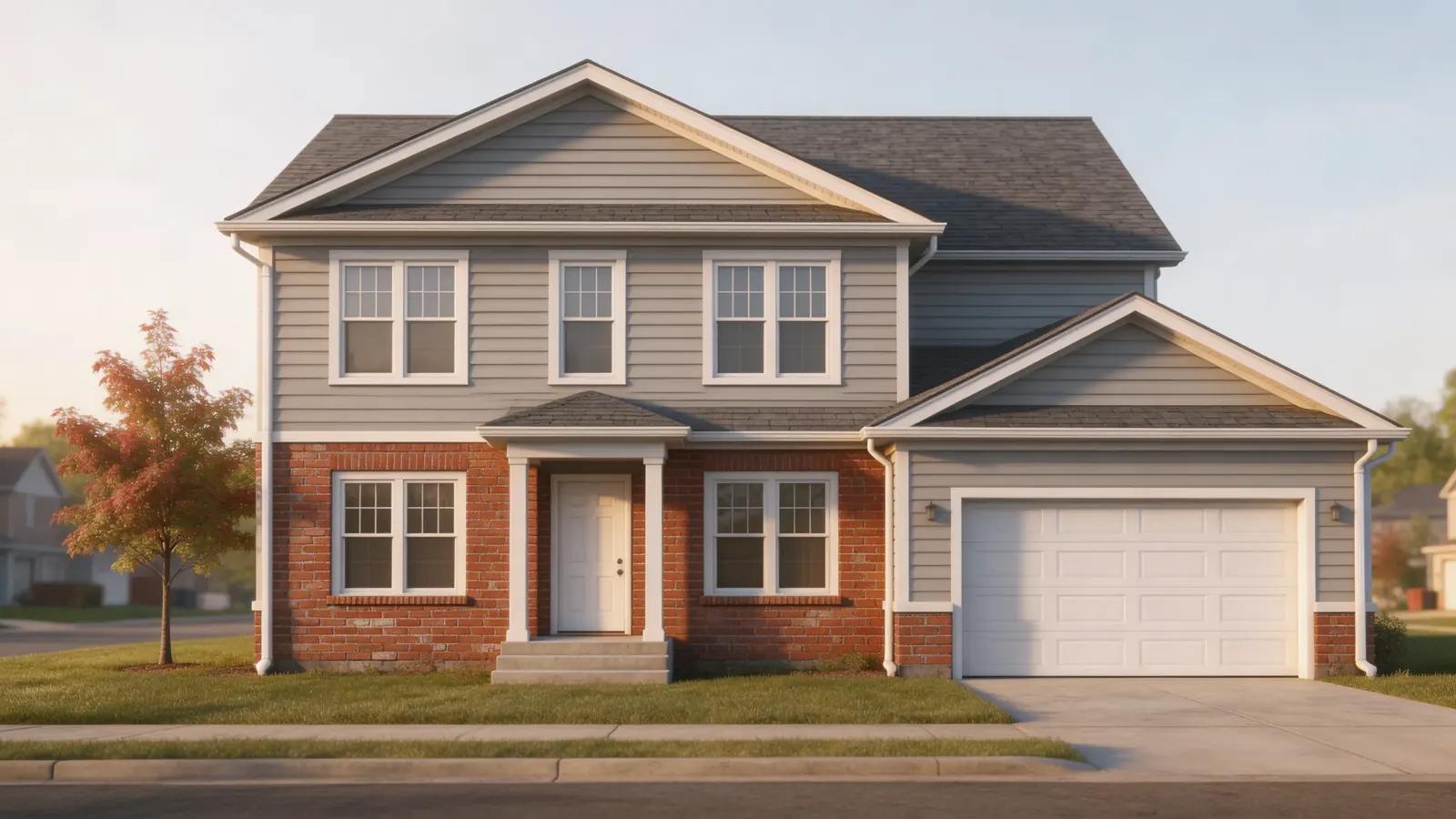
Three kinds of foundation inspection
A contractor's free estimate
Most foundation contractors offer a free visit. A technician or salesperson walks the house inside and out, looks at cracks, checks doors and windows, takes floor elevation readings, and looks in the crawl space if there is one. You get a diagnosis and a quote. It costs nothing, but remember that the person writing it also sells the repair. That is not a reason to distrust them. It is a reason to get more than one opinion on a large job.
A structural engineer's evaluation
A licensed structural engineer inspects the house and writes a report on what is happening and what repair is needed. Engineers do not sell repairs, so their opinion is independent. Their report can also set the scope that every contractor bids on, which makes quotes easier to compare. Engineers charge for this. Angi puts a structural report at $300 to $1,000 nationally (Angi, 2026).
A soil or geotechnical report
For unusual cases, like a suspected sinkhole, a large addition, or repeated failures, a geotechnical engineer may drill borings and test the soil. Angi suggests budgeting $500 to $3,000 for a soil report (Angi, 2026). The TEMA specifically advises consulting a professional geologist and an engineer with sinkhole remediation experience if a sinkhole is involved.
What happens during a contractor visit
- You walk through what you have noticed and when it started
- The inspector checks the exterior: cracks in brick or block, grading, gutters, downspouts and trees near the house
- Inside, they look at drywall cracks, doors, windows, floors and any tile or flooring damage
- They take floor elevation readings across the house, usually with a digital level or manometer
- If there is a crawl space or basement, they go in and check piers, beams, joists, walls and moisture
- They explain the likely cause and recommend a repair, with a written estimate
A thorough visit usually takes an hour or more. If someone walks around the outside for ten minutes and hands you a quote for twelve piers, ask more questions.
Three signs worth checking
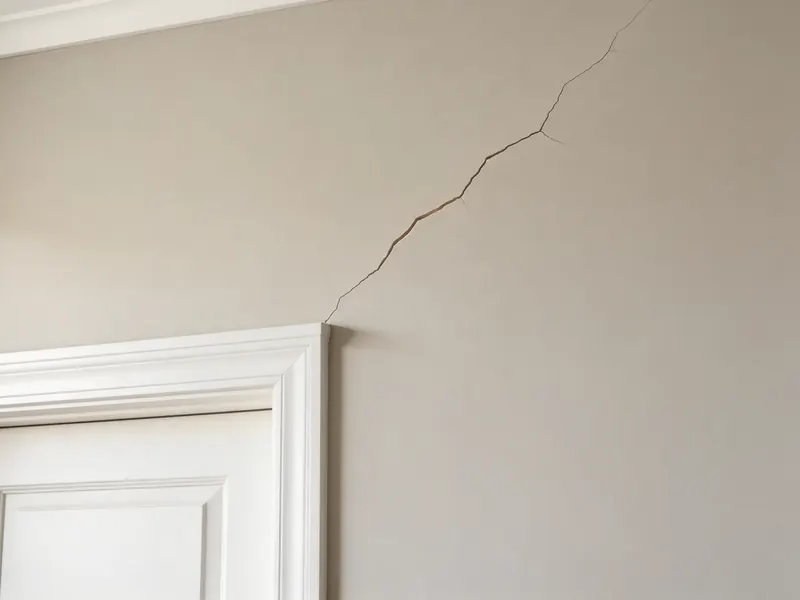
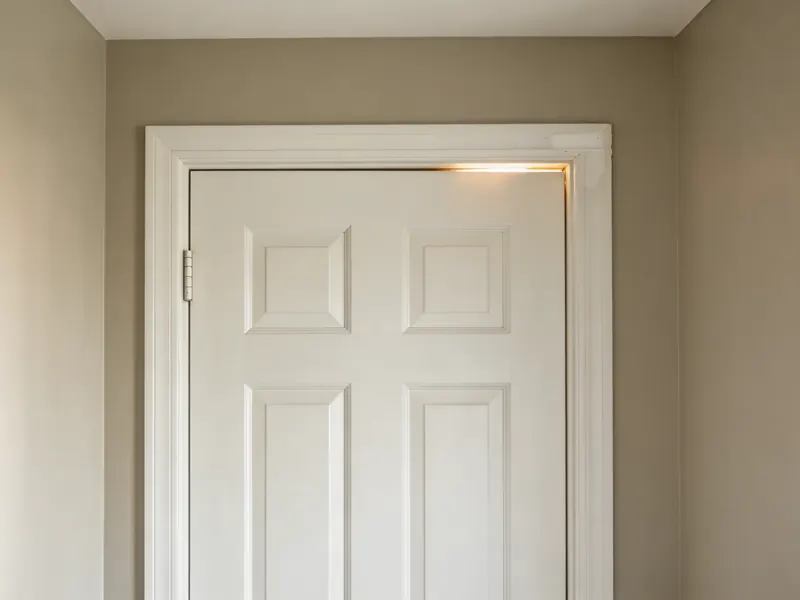
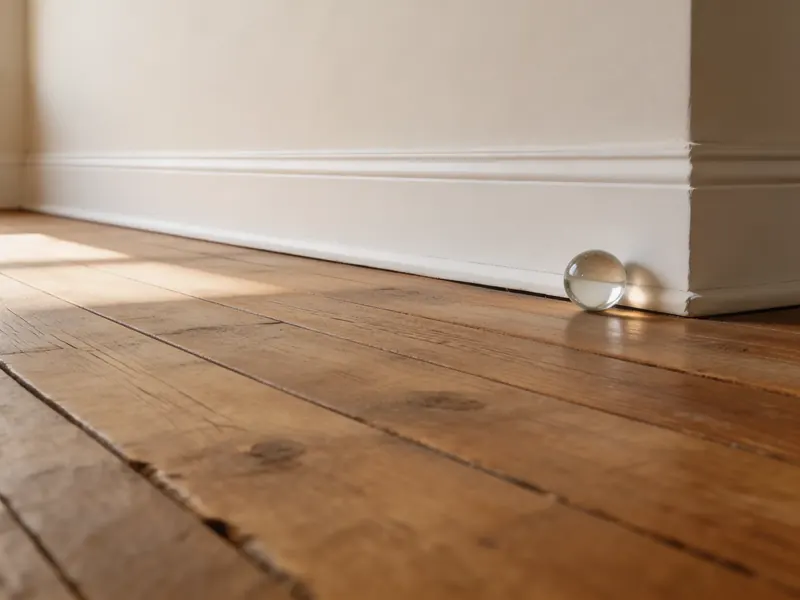
AI illustrations of common symptoms, not photos of specific homes.
How to prepare
- Write down when you first noticed each problem and whether it changes with the seasons
- Take dated photos of cracks with something for scale
- Have any past repair paperwork, warranties or engineer reports ready
- Clear a path to the crawl space access or basement walls
- Know whether you have a builder's structural warranty if the house is newer
Buying a home in Murfreesboro?
A general home inspector will flag signs of foundation movement, but most will recommend a specialist for anything structural. If the report mentions settling, cracks or sloping floors, a foundation contractor visit or an engineer's report during your inspection period can tell you what it means and what it costs. That number can help you negotiate with the seller.
What to have ready for the visit
Write down which doors stick, when you first noticed each crack, and whether anything changes between wet and dry months. Dated photos help too. A contractor or engineer can learn more from that history than from one visit on one day.
Comparing estimates
When you have more than one estimate, compare the diagnosis first and the price second. If two contractors see different causes, that is a sign to bring in an engineer. Then compare the number and type of piers, what is included for drainage and cleanup, the warranty, and who pulls the permit. Tennessee law limits the down payment a contractor can require to one third of the price, according to the state Department of Commerce and Insurance.
Rutherford County is one of nine Tennessee counties that adopted the state home improvement law. Here, a contractor doing a residential job worth $3,000 to $24,999 needs a home improvement license and a $10,000 surety bond, according to the Tennessee Board for Licensing Contractors. Jobs of $25,000 or more need a full state contractor license anywhere in Tennessee. You can look up any license at verify.tn.gov.